Ahmed Shaheer appointed MTDC chairman
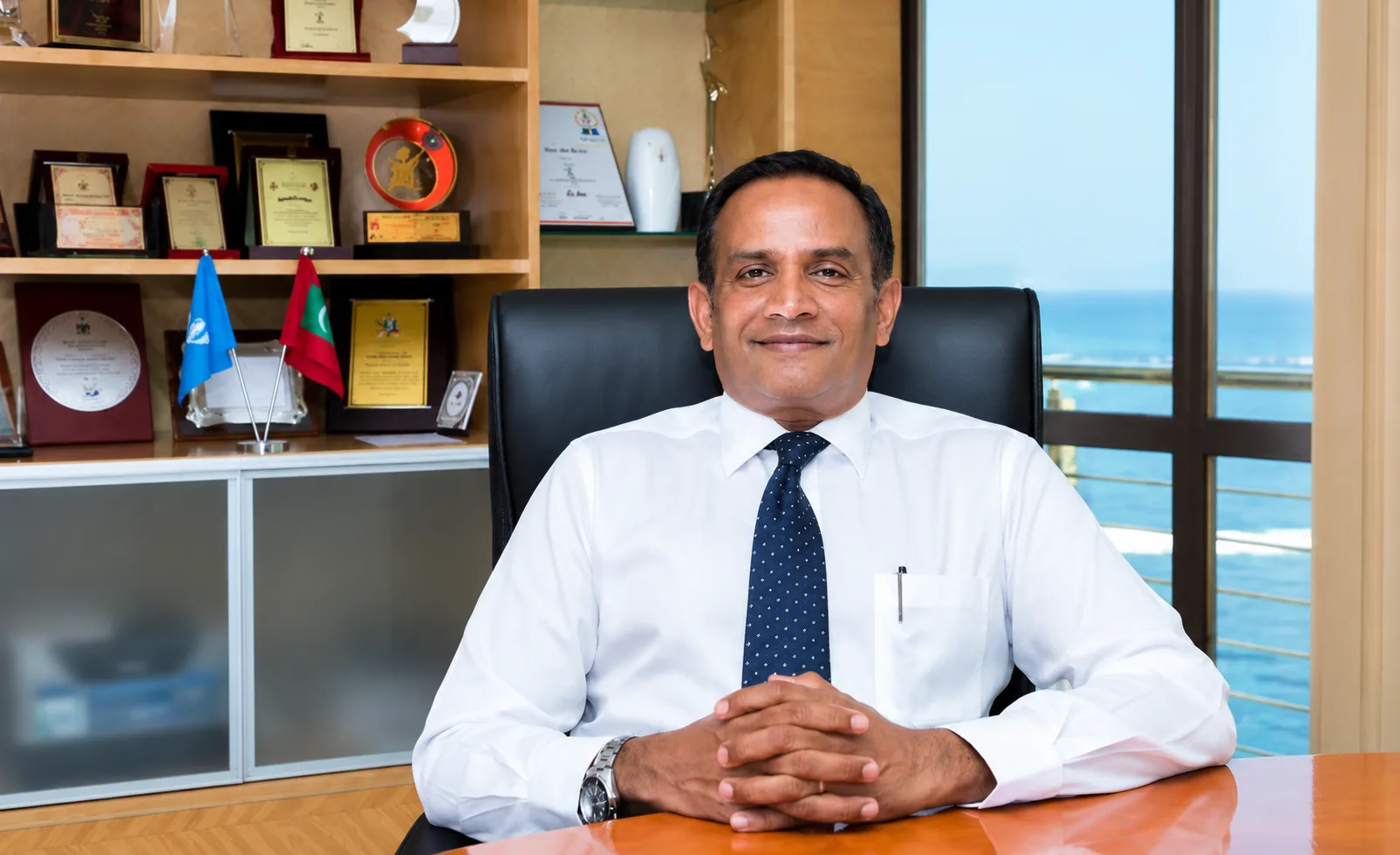
Ahmed Shaheer, recently removed as HDC chairman, has been appointed as the new chairman of MTDC, amid the company's ongoing rights issue tied to the Ayada resort headlease dispute.
Ahmed Shaheer, who was removed from his position as Chairman of Housing Development Corporation (HDC) last Thursday, has been appointed as Chairman of Maldives Tourism Development Corporation (MTDC).
The Privatisation and Corporatisation Board (PCB) said today that his appointment took effect yesterday.
Shaheer's appointment as MTDC chairman comes as the company is moving to sell additional shares, in a move linked to facilitating a deal to sell the headlease of Gaafu Dhaalu Maguduvvaa, where Ayada Resort operates, at what has been described as an undervalued price.
MTDC's board has decided to proceed with a rights issue, opening the opportunity for the company's current shareholders to purchase additional shares at a discounted rate.
MTDC holds the headlease for Maguduvvaa, with the lease term set to expire in 2031. The company has been working to sell the headlease to Ahmet Aydeniz's company, which operates Ayada Resort, for just $1.5 million.
However, under the existing agreement between Ayada and MTDC, the resort operator is required to pay roughly $4 million annually in rent for the remaining lease term. As a result, selling the headlease at the proposed price would result in a loss of $20 million for the company.
MTDC has denied reports that it plans to sell the headlease to the Turkish company that developed the resort, issuing a statement saying it has no plans to sell any of its assets, including the island.
Board member Asaamy Rushdy resigned over the matter, alleging that management had misrepresented board approval for the rights issue. In his resignation letter, Rushdy said the board had only approved proceeding with the rights issue subject to certain conditions, and that presenting it publicly as a straightforward approval, without providing an update on those conditions, risked creating a misleading impression of board members among shareholders and the public.